The Art of Tasting Craft Beer


Craft beer is more than just a drink; it's an experience that engages all your senses. Whether you're new to the craft beer scene or looking to deepen your appreciation, understanding how to properly taste beer can elevate your enjoyment significantly. Let me break down the essential elements of beer tasting with practical examples from my brewing journey.
Appearance
Pour your beer into a clean glass and take a moment to observe. Note the color, clarity, and head retention. Is it straw-yellow, amber, copper, or midnight black? Is it crystal clear or intentionally hazy?

Example: A well-crafted Munich Helles should display a brilliant clarity with a pale golden color, with a pillowy white head that leaves delicate lacing down the glass. This visual perfection tells you about the brewer's attention to detail in filtration and/or conditioning processes.
Aroma
Bring the glass to your nose and take several short sniffs. Swirl gently to release more volatile compounds. What do you detect? Malt sweetness, hop character, yeast esters, or perhaps special ingredients?

Example: In a New England IPA, you should experience an explosive aroma of tropical fruits - think ripe mango, pineapple, and passionfruit from late hop additions. These intense aromatics signal a well-executed dry-hopping technique without harsh bitterness.
Flavor
Take a proper sip, allowing the beer to coat your entire tongue. Notice how flavors evolve from first contact through mid-palate to the finish. Consider the balance between sweetness, bitterness, acidity, and other flavor components.
Example: A quality Belgian Dubbel presents initial flavors of dark fruits like raisins and plums, transitioning to notes of toffee and chocolate from specialty malts, followed by a subtle spiciness from the distinctive yeast strain. This complexity demonstrates masterful recipe development.
Mouthfeel
Pay attention to the beer's body and carbonation. Is it light and crisp or full and creamy? How does the carbonation present itself - gentle bubbles or a prickly effervescence?
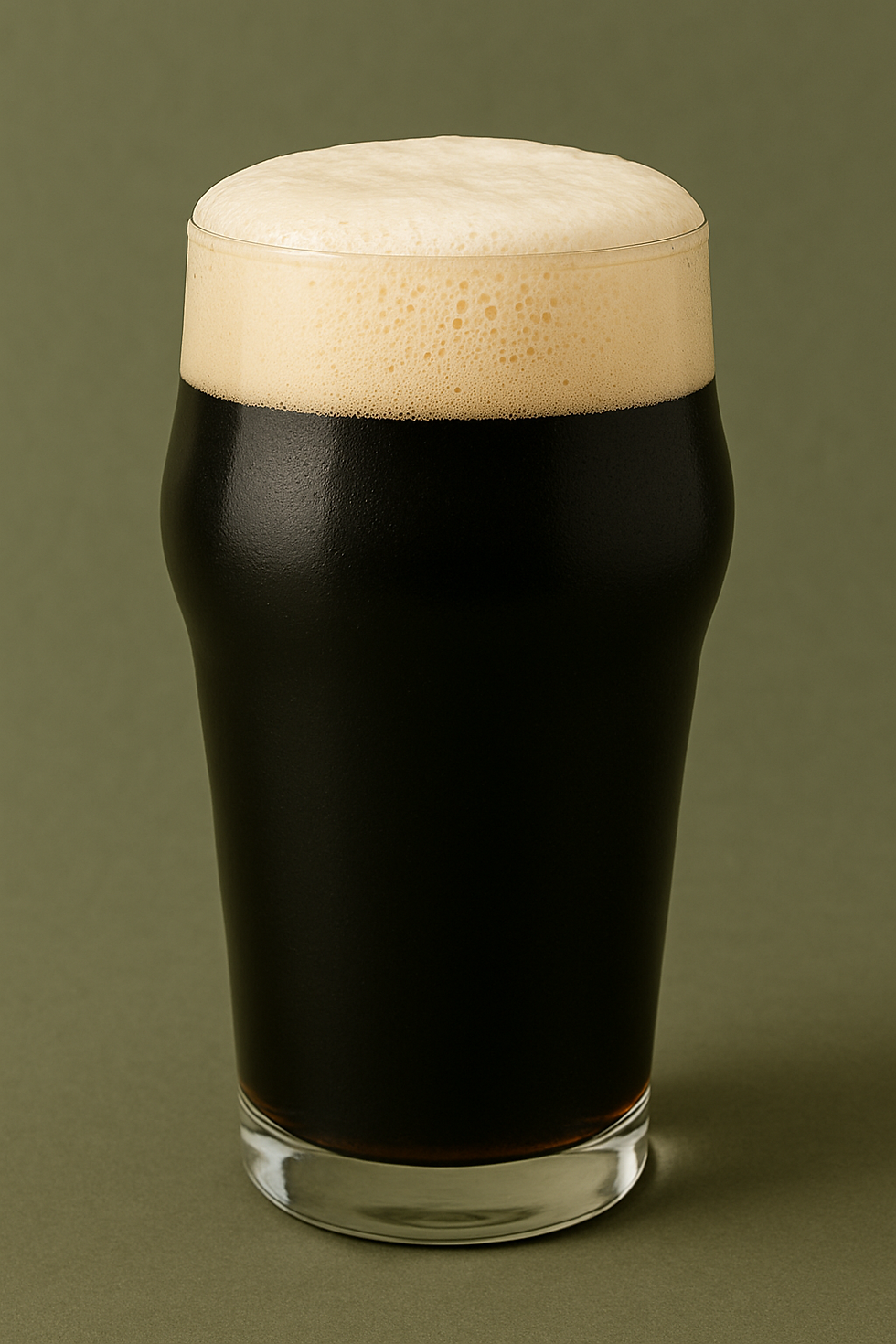
Example: A well-executed Milk Stout should offer a velvety, silky mouthfeel with moderate carbonation. The lactose provides a subtle sweetness and substantial body that complements the roasted character without becoming cloying.
Overall
Finally, consider how all elements come together. Does the beer represent its style? Is it balanced and harmonious? Most importantly, do you enjoy it?
Example: When evaluating a Czech Pilsner, I look for the blend between bready malt, spicy Saaz hops, and a clean fermentation profile. The best examples showcase technical brewing excellence through subtle complexity and flawless integration of simple ingredients.
Remember, tasting craft beer should be enjoyable, not intimidating. Trust your palate, keep exploring, and don't hesitate to share your observations with fellow beer enthusiasts. Cheers to your tasting adventures!


Comments